Short answer: The biggest challenge facing presidents after the Civil War was rebuilding and reuniting the country during the era of Reconstruction. Presidents had to determine how to restore the former Confederate states, protect the rights of newly freed African Americans, repair the nation’s economy, and heal political divisions that remained after four years of devastating conflict.
The Civil War ended in 1865, but the challenges facing the United States were far from over. The country had survived its greatest crisis, but the aftermath created a new set of problems that tested presidential leadership for decades. The presidents who served after the war faced difficult questions about how to rebuild the South and create a more unified nation.
This period, known as Reconstruction, became one of the most complicated chapters in American history.
Rebuilding the Nation After Four Years of War
When the Civil War ended, the United States faced enormous physical and economic damage.
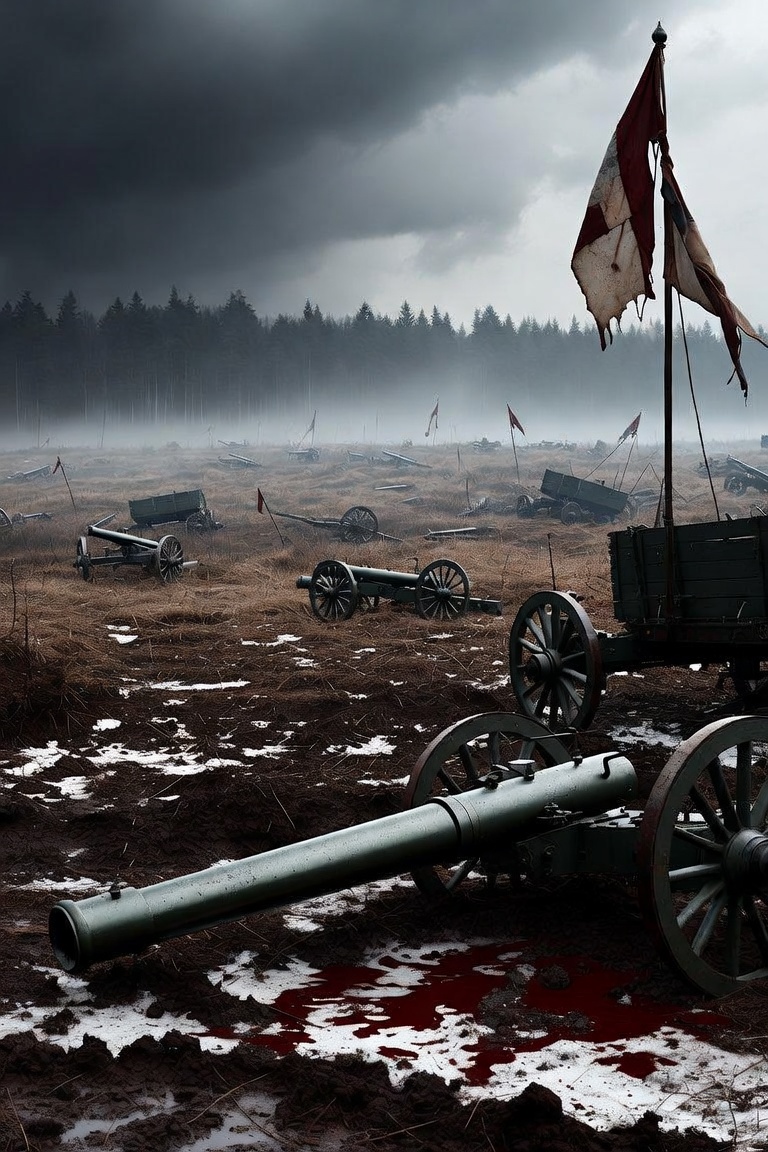
Much of the South had been devastated by battles, destroyed railroads, damaged farms, and struggling communities. Cities such as Richmond, Virginia, had suffered extensive destruction, while millions of dollars in property had been lost throughout the region.
Presidents had to decide how quickly Southern states should be allowed to return to the Union. Some leaders wanted a lenient approach that would help rebuild the country quickly, while others believed the South needed major changes before regaining full political power.
The challenge was finding a balance between forgiveness and accountability.
Determining the Future of Former Confederate States
One of the most difficult questions after the Civil War was how to handle the former Confederate states.
President Abraham Lincoln had favored a relatively forgiving approach before his assassination in 1865. He wanted a quick reunification process that would bring Southern states back into the Union while protecting the progress made during the war.
After Lincoln’s death, President Andrew Johnson continued much of this approach, but his policies created significant conflict with Congress.
Johnson allowed Southern states to form new governments quickly, but many of those governments passed laws known as Black Codes. These laws restricted the freedom and rights of formerly enslaved people.
Congress believed Johnson was moving too quickly and failing to protect the rights of newly freed African Americans, leading to a major power struggle between the president and lawmakers.
Protecting the Rights of Newly Freed Americans
The end of slavery created one of the greatest challenges in American history: determining how millions of formerly enslaved people would live as free citizens.
The passage of the Thirteenth Amendment abolished slavery in 1865, but freedom did not automatically guarantee equality.
Presidents after the Civil War faced questions about voting rights, citizenship, education, employment, and legal protections for African Americans.
Congress responded with major legislation, including the Civil Rights Act of 1866 and the Fourteenth Amendment, which granted citizenship and equal protection under the law.
Later, the Fifteenth Amendment protected the right to vote regardless of race.
However, enforcing these rights proved extremely difficult. Many Southern communities resisted Reconstruction policies, and racial violence threatened the safety and political participation of African Americans.
Managing Conflict Between the President and Congress
Another major challenge after the Civil War was the political conflict between the executive and legislative branches.
President Andrew Johnson strongly disagreed with the Radical Republicans in Congress, who wanted stronger protections for formerly enslaved people and stricter requirements for Southern states seeking readmission.
The disagreement became so intense that Congress attempted to remove Johnson from office. In 1868, the House of Representatives impeached him, making him the first American president to face impeachment.
Although the Senate narrowly voted to acquit him, the conflict demonstrated how divided the nation remained even after the Civil War ended.
Rebuilding the Southern Economy
The war left the Southern economy in ruins.
The plantation system that had depended on slavery was destroyed, forcing Southern states to create a new economic system. Millions of freed people needed jobs, land, education, and opportunities to build independent lives.
Presidents and lawmakers struggled with how to support economic recovery while creating a fairer society.
Organizations such as the Freedmen’s Bureau provided assistance by helping formerly enslaved people find education, employment, and legal support. However, limited resources and political opposition prevented many Reconstruction goals from being fully achieved.
The Long-Term Challenge of National Reconciliation
Perhaps the greatest challenge after the Civil War was creating a lasting peace between Americans who had fought against each other.
The war ended the Confederacy and preserved the Union, but resentment remained strong in many parts of the country.
Presidents had to balance the desire for reconciliation with the need to protect the rights gained during the war.
This challenge became even more complicated after Reconstruction ended in 1877. Although the nation was reunited politically, many African Americans in the South faced decades of discrimination, segregation, and voter suppression.
Which President Faced the Greatest Reconstruction Challenge?
| President | Major Post-Civil War Challenge |
| Andrew Johnson | Reuniting the country while facing conflict with Congress |
| Ulysses S. Grant | Protecting Reconstruction governments and civil rights |
| Rutherford B. Hayes | Ending Reconstruction while attempting national reconciliation |
Each president faced different difficulties, but all struggled with the same central question: How could the United States rebuild itself after the nation’s bloodiest conflict?
Frequently Asked Questions
What was the main goal of Reconstruction?
The main goal of Reconstruction was to rebuild the South, restore former Confederate states to the Union, and establish the rights and citizenship of formerly enslaved African Americans.
Why was Reconstruction difficult for presidents?
Reconstruction was difficult because presidents had to balance competing demands: rebuilding the economy, restoring Southern governments, protecting civil rights, and healing divisions between North and South.
Which president was in office after the Civil War?
Andrew Johnson became president after Abraham Lincoln was assassinated in April 1865. Johnson oversaw the early years of Reconstruction and faced major conflicts with Congress over how the South should be rebuilt.
A Difficult Process
The biggest challenge facing presidents after the Civil War was Reconstruction, the difficult process of rebuilding the nation and deciding what freedom and citizenship would mean after slavery ended.
Presidents had to repair a damaged country, reunite former enemies, and protect the rights of millions of newly freed Americans. While Reconstruction achieved important victories, including constitutional amendments that expanded rights, many of its goals remained unfinished for generations.
The challenges faced by post-Civil War presidents reveal that winning a war was only the first step. The far more difficult task was building a lasting peace and creating a nation that lived up to its founding ideals.