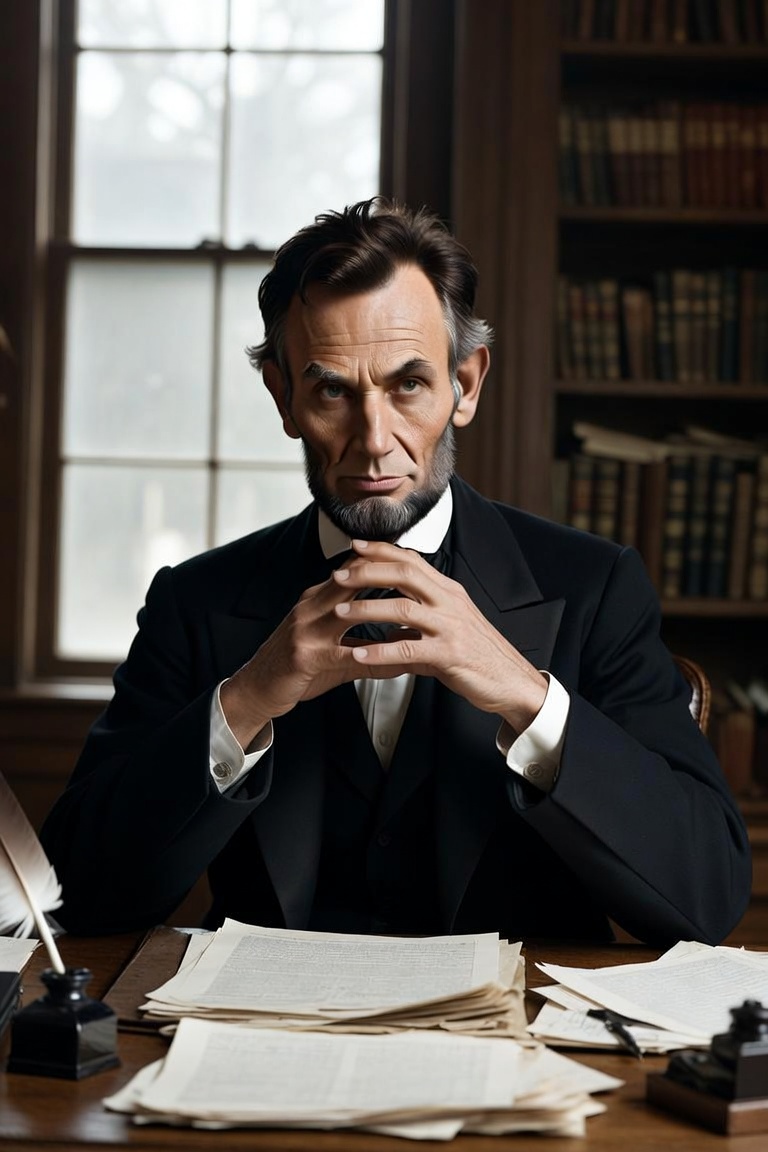
Short answer: Abraham Lincoln came much closer to losing reelection in 1864 than many people realize. During the summer of 1864, he believed he would likely be defeated because the Civil War was dragging on, Union casualties were mounting, and public support for the war had weakened. Only a series of important Union military victories in the months before Election Day dramatically improved his chances and helped secure his victory.
Today, Abraham Lincoln is remembered as one of America’s greatest presidents. His leadership during the Civil War and his role in ending slavery have cemented his place in history. Yet in 1864, with the nation divided and exhausted by years of conflict, Lincoln faced one of the toughest reelection campaigns in American history.
So, just how close was Abraham Lincoln to losing reelection? The answer is: much closer than most Americans realize.
By the Summer of 1864, Lincoln Expected to Lose
In August 1864, Lincoln privately believed he would not win another term.
The war had entered its fourth year, and many Northern voters had grown weary of the constant fighting. Thousands of soldiers had been killed or wounded, and families across the Union questioned how much longer the conflict would continue.
Military progress had slowed. General Ulysses S. Grant’s Overland Campaign resulted in heavy casualties, while Confederate forces continued to resist Union advances.
Lincoln’s own concerns became clear on August 23, 1864, when he wrote and sealed a memorandum stating that it appeared “exceedingly probable” that his administration would not be reelected. He instructed his Cabinet members to sign the back of the document without reading its contents.
The memo would later become one of the most remarkable pieces of evidence showing how uncertain Lincoln believed the election had become.
War Weariness Hurt Lincoln’s Popularity
The biggest obstacle facing Lincoln was public exhaustion.
The Civil War had already become the bloodiest conflict in American history. Every major battle produced staggering casualties, and newspapers published long lists of soldiers who had been killed, wounded, or captured.
Many Northern voters wanted peace, even if it meant negotiating with the Confederacy.
Others criticized Lincoln’s expansion of executive power during the war, including the suspension of habeas corpus and military arrests in certain areas.
Although Lincoln remained committed to preserving the Union, many voters questioned whether his policies were succeeding quickly enough.
George B. McClellan Became Lincoln’s Challenger
Lincoln’s Democratic opponent was former Union General George B. McClellan.
McClellan had once commanded the Army of the Potomac but had repeatedly clashed with Lincoln over military strategy. While McClellan personally favored preserving the Union, he ran on a Democratic platform that called for efforts to negotiate peace with the Confederacy.
This created a complicated campaign.
Some voters viewed McClellan as an experienced military leader who could end the war sooner. Others believed electing him might undermine the Union war effort before victory had been achieved.
The election ultimately became a referendum on whether the North should continue fighting or seek a negotiated settlement.
Military Victories Changed Everything
Lincoln’s political fortunes changed dramatically in September 1864.
The turning point came when Union General William Tecumseh Sherman captured Atlanta on September 2. The victory was widely reported in newspapers and convinced many voters that the Union was finally making decisive progress.
Additional Union military successes followed, boosting confidence that victory was within reach.
These battlefield achievements transformed public opinion almost overnight. Newspapers that had criticized Lincoln became more optimistic, financial markets responded positively, and support for continuing the war increased.
Without these victories, historians generally agree that Lincoln’s chances of reelection would have been far weaker.
The Soldiers’ Vote Made a Difference
Another important factor was the support Lincoln received from Union soldiers.
Many states allowed soldiers serving in the field to cast absentee ballots. These votes overwhelmingly favored Lincoln because many soldiers believed his leadership offered the best chance of preserving the Union and securing the sacrifices they had already made.
The soldiers’ vote reinforced Lincoln’s civilian support and helped expand his winning margin.
The Election Results
Despite his earlier fears, Lincoln won the election by a comfortable margin.
He received about 55 percent of the popular vote and won 212 of the 233 electoral votes, while McClellan carried only three states: Kentucky, Delaware, and New Jersey.
Although the final outcome appeared decisive, those numbers tell only part of the story.
Just a few months earlier, before the capture of Atlanta and other Union successes, Lincoln’s political future looked extremely uncertain. Historians generally agree that the timing of those victories played a crucial role in changing the direction of the campaign.
Why the Election of 1864 Was So Important
Lincoln’s reelection had consequences far beyond politics.
Had he lost, the incoming administration might have pursued negotiations with the Confederacy before the Union achieved military victory. Such negotiations could have altered the outcome of the Civil War and potentially delayed or weakened the abolition of slavery.
Instead, Lincoln’s victory gave his administration the mandate to continue fighting until the Confederacy surrendered in 1865.
It also cleared the way for the ratification of the Thirteenth Amendment, which permanently abolished slavery in the United States.
Frequently Asked Questions
Did Abraham Lincoln think he would lose the 1864 election?
Yes. In August 1864, Lincoln privately wrote that he believed it was “exceedingly probable” he would lose reelection unless circumstances changed.
Who ran against Abraham Lincoln in 1864?
Lincoln’s opponent was Democratic nominee George B. McClellan, a former Union general who campaigned on a platform that included pursuing peace negotiations with the Confederacy.
What helped Lincoln win reelection?
The capture of Atlanta by General William Tecumseh Sherman, along with additional Union military victories, significantly improved public confidence and boosted Lincoln’s chances during the final months of the campaign.
Winning Came With a Cost
Although Abraham Lincoln ultimately won reelection by a comfortable margin, the election of 1864 was far from a guaranteed victory. During the summer, widespread war fatigue, mounting casualties, and uncertain military progress led Lincoln himself to believe defeat was likely.
The capture of Atlanta and other Union victories transformed public opinion at a critical moment, helping secure his second term. Lincoln’s reelection allowed the Union to continue fighting until victory and ensured that one of the most pivotal presidencies in American history would see the Civil War through to its conclusion.