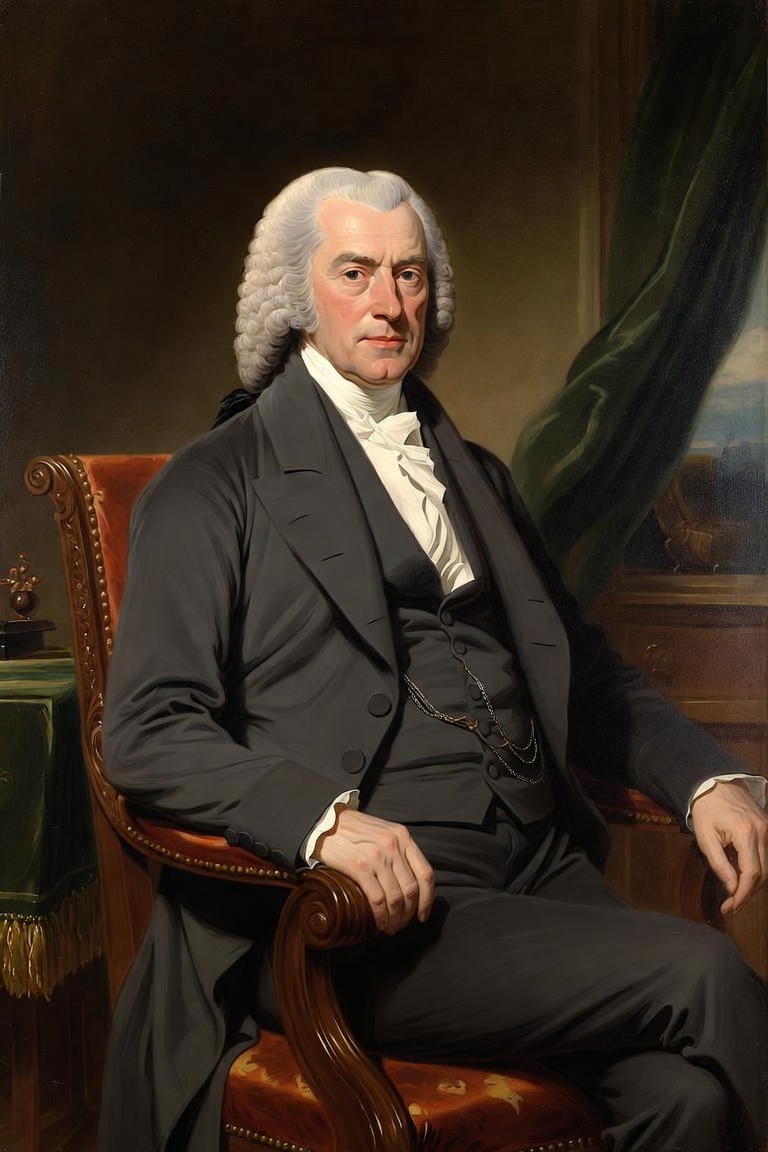
Short answer: John Adams became unpopular at the end of his presidency because of the controversial Alien and Sedition Acts, growing political divisions between the Federalists and Democratic-Republicans, disagreements over relations with France, and conflicts within his own political party. Although many Americans criticized him in 1800, historians today generally view his presidency more favorably.
As America’s second president, John Adams inherited the enormous task of leading a young nation after George Washington stepped down. Adams was an experienced diplomat and a passionate supporter of American independence, but his presidency unfolded during one of the most politically turbulent periods in U.S. history. By the time he sought reelection in 1800, his popularity had declined significantly, leading to a loss against Thomas Jefferson.
So, why was John Adams unpopular at the end of his presidency? Several major events and decisions combined to turn public opinion against him.
The Alien and Sedition Acts Sparked Widespread Criticism
The single biggest factor in Adams’ declining popularity was his support of the Alien and Sedition Acts of 1798.
These four laws were passed after tensions with France raised fears of foreign influence and possible war. They increased the number of years immigrants had to live in the United States before becoming citizens, gave the president greater authority to deport certain foreign nationals, and made it illegal to publish false or malicious statements against the federal government.
Supporters argued the laws protected national security during a dangerous time. Critics believed they violated the First Amendment by limiting freedom of speech and freedom of the press.
Several newspaper editors who opposed the Federalist Party were prosecuted under the Sedition Act, reinforcing accusations that Adams was suppressing political opposition. The controversy permanently damaged his public image.
Political Parties Became Bitter Rivals
John Adams served during the rise of America’s first political parties.
The Federalist Party, led by Adams, favored a stronger national government and close economic ties with Great Britain. Thomas Jefferson’s Democratic-Republicans preferred a smaller federal government and generally sympathized with France during the European conflicts of the late 1700s.
Newspapers aligned themselves with political parties and published relentless attacks against opposing candidates. Adams became the subject of harsh editorials, political cartoons, and pamphlets that portrayed him as overly ambitious and disconnected from ordinary Americans.
This growing political polarization made it increasingly difficult for Adams to maintain widespread public support.
The Quasi-War with France Created Uncertainty
Foreign policy also played a major role in Adams’ declining popularity.
After the XYZ Affair damaged relations with France, an undeclared naval conflict known as the Quasi-War began. American and French ships clashed in the Atlantic, creating fears that a larger war was imminent.
Adams strengthened the U.S. Navy and expanded military preparedness, but he resisted calls from some Federalists for a full declaration of war. Instead, he chose diplomacy and eventually negotiated peace.
Although historians often praise this decision today, many political allies believed Adams had been too cautious. His efforts to avoid war divided the Federalist Party and weakened his political support.
Conflict Within the Federalist Party
One of Adams’ greatest political challenges came from members of his own party.
Alexander Hamilton, one of the Federalist Party’s most influential leaders, frequently criticized Adams and questioned his leadership. Hamilton even published a lengthy pamphlet attacking Adams before the election of 1800.
These public disagreements exposed deep divisions within the Federalists and made it easier for Jefferson’s supporters to argue that Adams lacked effective leadership.
Without a united political party behind him, Adams entered the election at a significant disadvantage.
His Leadership Style Limited His Popularity
Adams was respected for his intelligence and integrity, but his personality sometimes worked against him politically.
He could be stubborn, impatient with criticism, and reluctant to compromise. Unlike Jefferson, who quietly built relationships behind the scenes, Adams often expressed his opinions directly, even when they created conflict.
He also avoided active campaigning, believing presidential candidates should not openly seek votes. While this reflected the political customs of the time, it limited his ability to connect with voters as election campaigns became increasingly competitive.
Why John Adams Lost the Election of 1800
Several factors contributed to Adams’ defeat.
| Factor | Effect on Adams’ Popularity |
| Alien and Sedition Acts | Angered many voters over free speech concerns |
| Political party divisions | Increased criticism from opponents |
| Quasi-War with France | Created disagreement over foreign policy |
| Federalist infighting | Reduced support from his own party |
| Leadership style | Made it difficult to build broad political alliances |
Together, these issues helped Thomas Jefferson win the election of 1800, marking the first peaceful transfer of presidential power between opposing political parties in American history.
How Historians View John Adams Today
Modern historians generally give Adams more credit than many of his contemporaries did.
His decision to pursue peace with France likely prevented a costly war that the young United States was not prepared to fight. He also strengthened the U.S. Navy, defended American independence, and demonstrated that the Constitution could withstand fierce political competition.
While the Alien and Sedition Acts remain one of the most controversial episodes of his presidency, Adams’ commitment to preserving peace has significantly improved his historical reputation.
Frequently Asked Questions
Why did John Adams lose reelection?
John Adams lost reelection because many voters opposed the Alien and Sedition Acts, political divisions had intensified, and the Federalist Party was divided over his leadership and foreign policy decisions.
What were the Alien and Sedition Acts?
The Alien and Sedition Acts were four laws passed in 1798 that expanded federal authority over immigrants and made certain criticisms of the federal government illegal. They became one of the most controversial laws in early American history.
Did John Adams avoid war with France?
Yes. Although the United States fought the Quasi-War at sea, Adams chose diplomacy instead of declaring full-scale war. His peace negotiations ended the conflict and are widely viewed today as one of his greatest presidential achievements.
Unpopular For Many Reasons
John Adams was unpopular at the end of his presidency because several major issues converged at once. The Alien and Sedition Acts damaged public trust, political parties became deeply divided, the Quasi-War created uncertainty, and conflicts within the Federalist Party weakened his support. His reserved leadership style also made it harder to win over critics.
Although Adams left office after just one term, history has largely reassessed his presidency. Today, he is remembered as a principled leader who helped preserve the young republic during one of its earliest and most challenging periods.