American history has often been shaped not only by wars, elections, and legislation, but also by words. The greatest presidential speeches captured the fears, hopes, and values of the nation during defining moments. Some rallied Americans during war, while others challenged citizens to rethink freedom, equality, and leadership itself.
This list of the top presidential speeches in American history highlights the addresses that left a lasting impact on the United States. These speeches continue to be studied by historians, political readers, and students because of their influence on public opinion and American culture.
Why Presidential Speeches Matter
A powerful presidential speech can unite the country, calm public fear, or inspire action. Presidents have used speeches to explain difficult decisions, defend democracy, and define national identity.
Many historic speeches reflected turning points in both domestic and foreign policy. Strong rhetoric often became just as memorable as the events themselves.
1. Abraham Lincoln — Gettysburg Address (1863)
Few speeches in American history are more famous than the Gettysburg Address. Delivered during the Civil War, Lincoln used only a few hundred words to redefine the purpose of the war and honor fallen soldiers.
Key themes included:
- National unity
- Equality
- Democracy
- Sacrifice
The phrase “government of the people, by the people, for the people” became one of the most quoted lines in American political history.
2. Franklin D. Roosevelt — First Inaugural Address (1933)
During the Great Depression, Americans faced unemployment, poverty, and uncertainty. Roosevelt’s statement that “the only thing we have to fear is fear itself” helped restore confidence in government leadership.
The speech set the tone for the New Deal era and strengthened public trust during a national crisis.
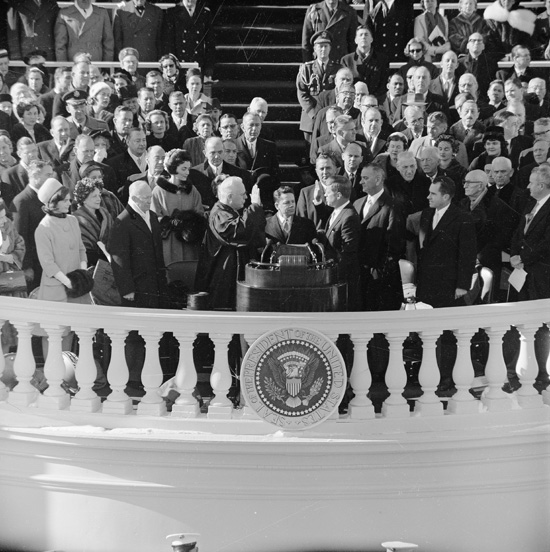
3. John F. Kennedy — Inaugural Address (1961)
Kennedy’s inaugural speech remains one of the greatest examples of presidential rhetoric.
His famous challenge:
“Ask not what your country can do for you — ask what you can do for your country.”
The speech inspired civic engagement and reflected Cold War tensions while promoting optimism about America’s future.
4. Ronald Reagan — “Tear Down This Wall” Speech (1987)
Delivered in West Berlin, Reagan directly challenged Soviet leader Mikhail Gorbachev with the unforgettable line:
“Mr. Gorbachev, tear down this wall!”
The speech became a defining symbol of the final years of the Cold War and American support for freedom in Eastern Europe.
5. Abraham Lincoln — Second Inaugural Address (1865)
Lincoln’s second inaugural speech avoided celebration near the end of the Civil War. Instead, he focused on healing and reconciliation.
His call for “malice toward none” helped frame the nation’s difficult path toward reunification.
6. Franklin D. Roosevelt — Pearl Harbor Address (1941)
After the attack on Pearl Harbor, Roosevelt addressed Congress and the American people with clarity and urgency.
Calling December 7, 1941 “a date which will live in infamy,” Roosevelt united the country behind entry into World War II.
Historical records and transcripts are available through The National Archives.
7. Dwight D. Eisenhower — Farewell Address (1961)
Eisenhower warned Americans about the growing influence of the “military-industrial complex.”
The speech remains highly relevant in discussions about defense spending, government power, and foreign policy.
8. Lyndon B. Johnson — “We Shall Overcome” Speech (1965)
Johnson addressed Congress following violence against civil rights protesters in Selma, Alabama.
By using the phrase “We shall overcome,” he aligned the presidency with the civil rights movement and pushed for voting rights legislation.
9. Harry S. Truman — Truman Doctrine Address (1947)
Truman’s speech to Congress marked the beginning of America’s Cold War strategy of containment against communism.
The address reshaped U.S. foreign policy for decades.
10. Richard Nixon — Resignation Speech (1974)
Nixon’s resignation following the Watergate scandal remains one of the most dramatic moments in presidential history.
His speech reflected political crisis, public distrust, and constitutional accountability.
11. Theodore Roosevelt — “Man in the Arena” Speech (1910)
Although delivered after his presidency, Roosevelt’s “Citizenship in a Republic” speech became one of the most influential speeches associated with presidential leadership.
The “Man in the Arena” passage continues to inspire leaders, athletes, and public figures today.
12. Jimmy Carter — Crisis of Confidence Speech (1979)
Often called the “Malaise Speech,” Carter addressed economic struggles, energy shortages, and declining public confidence.
Though controversial, the speech remains a major example of presidential honesty during difficult times.
13. Woodrow Wilson — War Message to Congress (1917)
Wilson asked Congress to declare war on Germany during World War I, framing the conflict as a fight to make the world “safe for democracy.”
The speech dramatically shifted America’s global role.
14. Calvin Coolidge — Speech on the Declaration of Independence (1926)
Coolidge defended the principles of the Declaration of Independence during America’s 150th anniversary celebrations.
His speech emphasized constitutional government, liberty, and national identity.
15. Ronald Reagan — First Inaugural Address (1981)
Reagan’s statement that “government is not the solution to our problem; government is the problem” reshaped modern conservative politics.
The speech marked the beginning of a major political realignment in the United States.
Common Themes in Historic Presidential Speeches
Many of the top presidential speeches in American history share several important characteristics:
Strong Emotional Connection
Great speeches speak directly to public fears, hopes, and values.
Memorable Language
Short, powerful phrases often define historic speeches for generations.
Historical Timing
Many iconic speeches were delivered during wars, economic crises, or major political turning points.
Clear Vision
Successful presidential addresses provide direction and purpose during uncertain times.
The Lasting Influence of Presidential Rhetoric
Historic presidential speeches continue to shape American political culture long after they are delivered. Students study them in classrooms, historians analyze their impact, and political leaders still borrow language and themes from them today.
Whether delivered during war, economic hardship, or moments of national celebration, these speeches reveal how presidents attempted to guide the country through its most important chapters.
For history fans and political readers, studying these famous American speeches offers a deeper understanding of leadership, communication, and the evolution of the presidency itself.