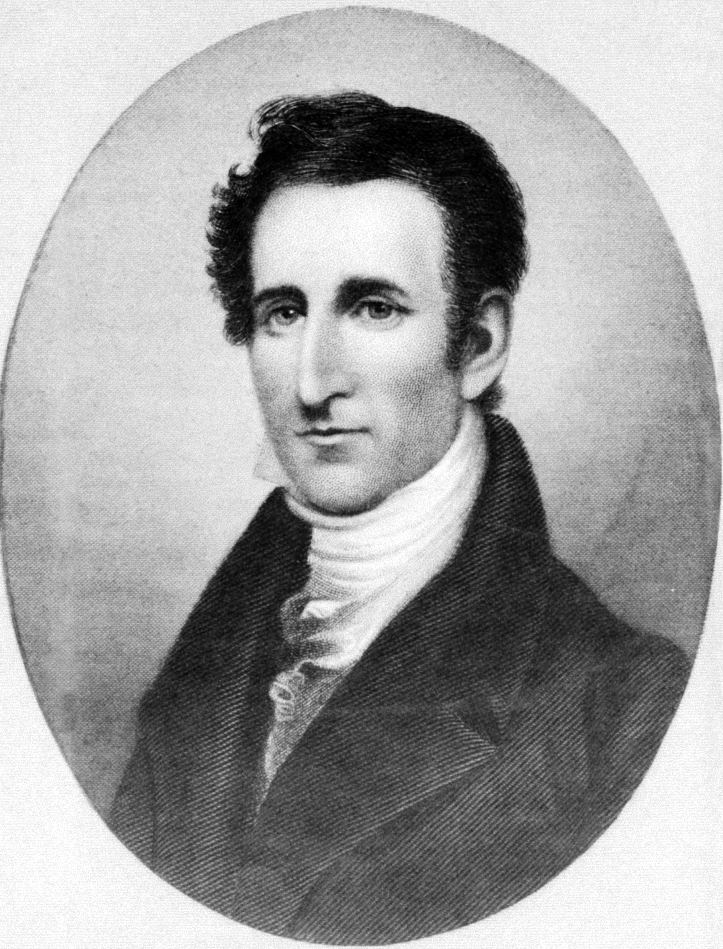
John Tyler holds the distinction of being one of the most isolated presidents in American history. He came to office without being elected president, without a party that supported him, and without a political agenda that commanded a majority in Congress. His opponents called him ‘His Accidency,’ a cutting nickname that captured the contempt many felt for a man they considered a usurper. Yet Tyler’s assertion of full presidential authority upon Harrison’s death was one of the most consequential acts in American constitutional history.
A Virginia Aristocrat Out of Place
Tyler was born in 1790 in Charles City County, Virginia, the same county that had produced William Henry Harrison, into a wealthy planter family. He served in the Virginia legislature, as governor of Virginia, and as a U.S. Senator, consistently championing states’ rights and strict construction of the Constitution. He had been a Democrat and a supporter of Andrew Jackson before breaking with Jackson over the nullification crisis and the bank war. The Whigs added him to the 1840 ticket as a gesture toward Southern Democrats, they never imagined he would actually become president.
The Tyler Precedent
When Harrison died, the Constitution was ambiguous. It stated that in case of the president’s death, ‘the powers and duties’ of the office ‘shall devolve on the Vice President’ but did this mean Tyler became president or merely acting president? Tyler answered the question definitively: he took the full presidential oath of office, moved into the White House, and declared himself fully the President of the United States. When members of Congress addressed letters to the ‘Acting President,’ he returned them unopened. This ‘Tyler Precedent’ governed presidential succession for 126 years until the 25th Amendment formally codified it.
Expelled by His Own Party
The Whigs’ joy at winning the 1840 election evaporated almost immediately. Tyler vetoed the Whig-backed bill to re-establish a national bank twice. He vetoed protective tariff legislation. He vetoed distribution of federal land sale revenue. With each veto, the rupture deepened. In September 1841, the entire Cabinet except Secretary of State Daniel Webster resigned in protest. Congress formally expelled Tyler from the Whig Party, the only president ever to be expelled by his own party. He governed without a cabinet for a time and faced an impeachment inquiry, though it did not result in impeachment charges. He was, effectively, a president of no party, governing by executive will alone.
Foreign Policy Achievements
Despite his domestic paralysis, Tyler achieved significant foreign policy successes. The Webster-Ashburton Treaty of 1842, negotiated by his Secretary of State, settled long-standing border disputes between the United States and Canada, averting potential war with Britain. He extended the Monroe Doctrine to Hawaii, warning other powers against annexation of the islands. Most significantly, he orchestrated the annexation of Texas. Congress rejected his treaty of annexation, but Tyler cleverly proposed annexation by joint resolution requiring only simple majorities rather than the two-thirds Senate vote needed for a treaty which passed in the final days of his administration.
The Man Who Joined the Confederacy
Tyler’s post-presidential years took a shocking turn. As the Civil War approached, he worked unsuccessfully to mediate between North and South. When Virginia seceded in 1861, Tyler joined the Confederacy, winning election to the Confederate House of Representatives. He died in January 1862 before taking his seat the only former U.S. president to die as a citizen of a foreign government (the Confederacy was not recognized by the United States). The federal government made no official note of his death at the time. He remained the only former president whose death was not officially mourned in Washington until well into the 20th century.
Frequently Asked Questions
Q1: Why was Tyler called ‘His Accidency’?
A: His opponents used the mocking nickname ‘His Accidency’ to suggest he had no legitimate claim to the presidency, having become president only through Harrison’s death rather than by electoral mandate.
Q2: Was Tyler the worst president ever?
A: Historians generally rank Tyler poorly due to his political isolation and limited domestic accomplishments, but his assertion of full presidential succession rights and the annexation of Texas are considered significant historical achievements.
Q3: Did John Tyler really join the Confederacy?
A: Yes. Tyler was elected to the Confederate House of Representatives but died in January 1862 before taking his seat, making him the only former U.S. president to officially side with the Confederacy.